Blog · Agentic payments · 8 min read
The Payment Is Visible. The Authority Is Not.
An AI agent completing a payment is easy to demonstrate. The system that decides whether it was allowed to is not.

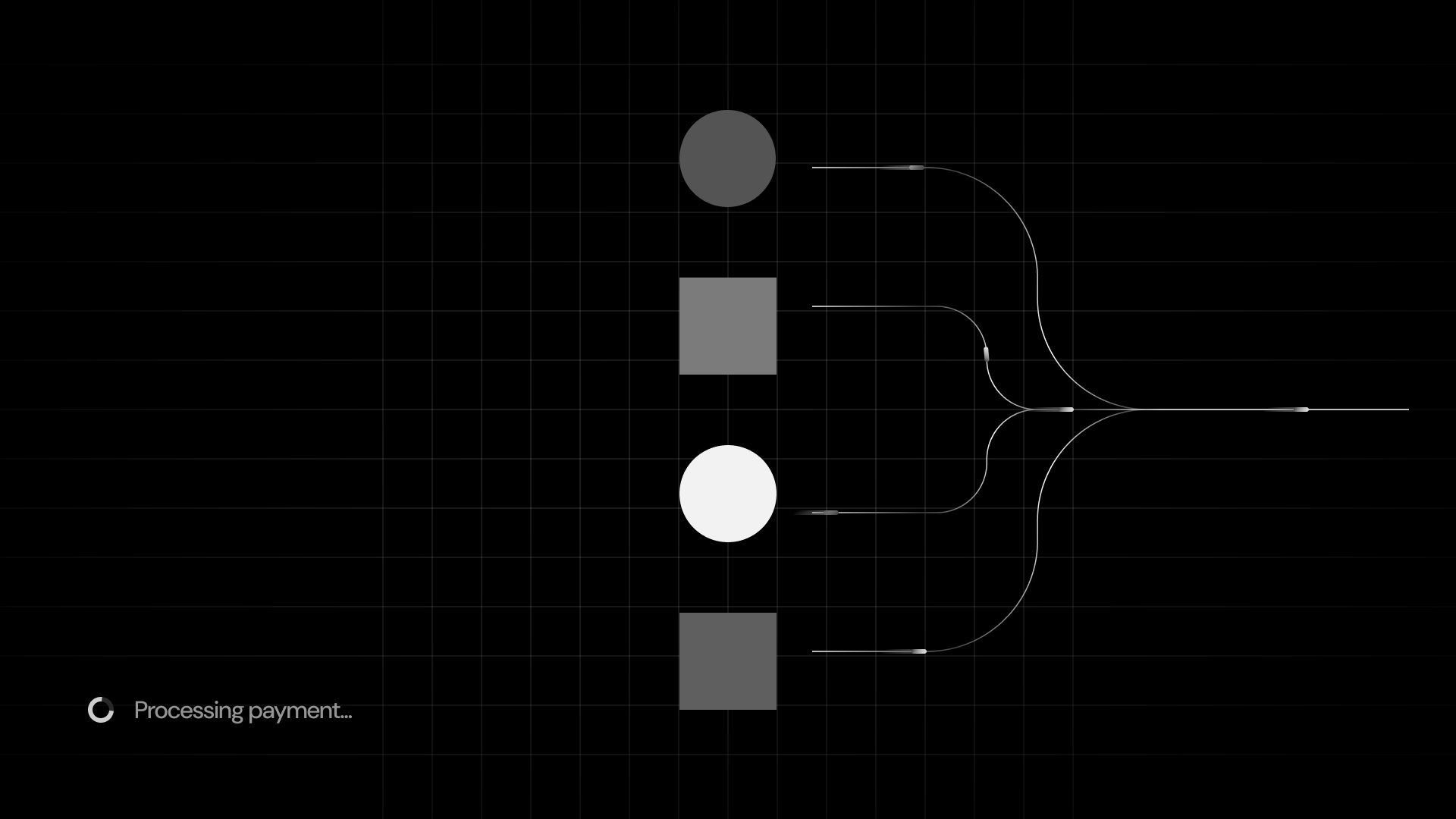
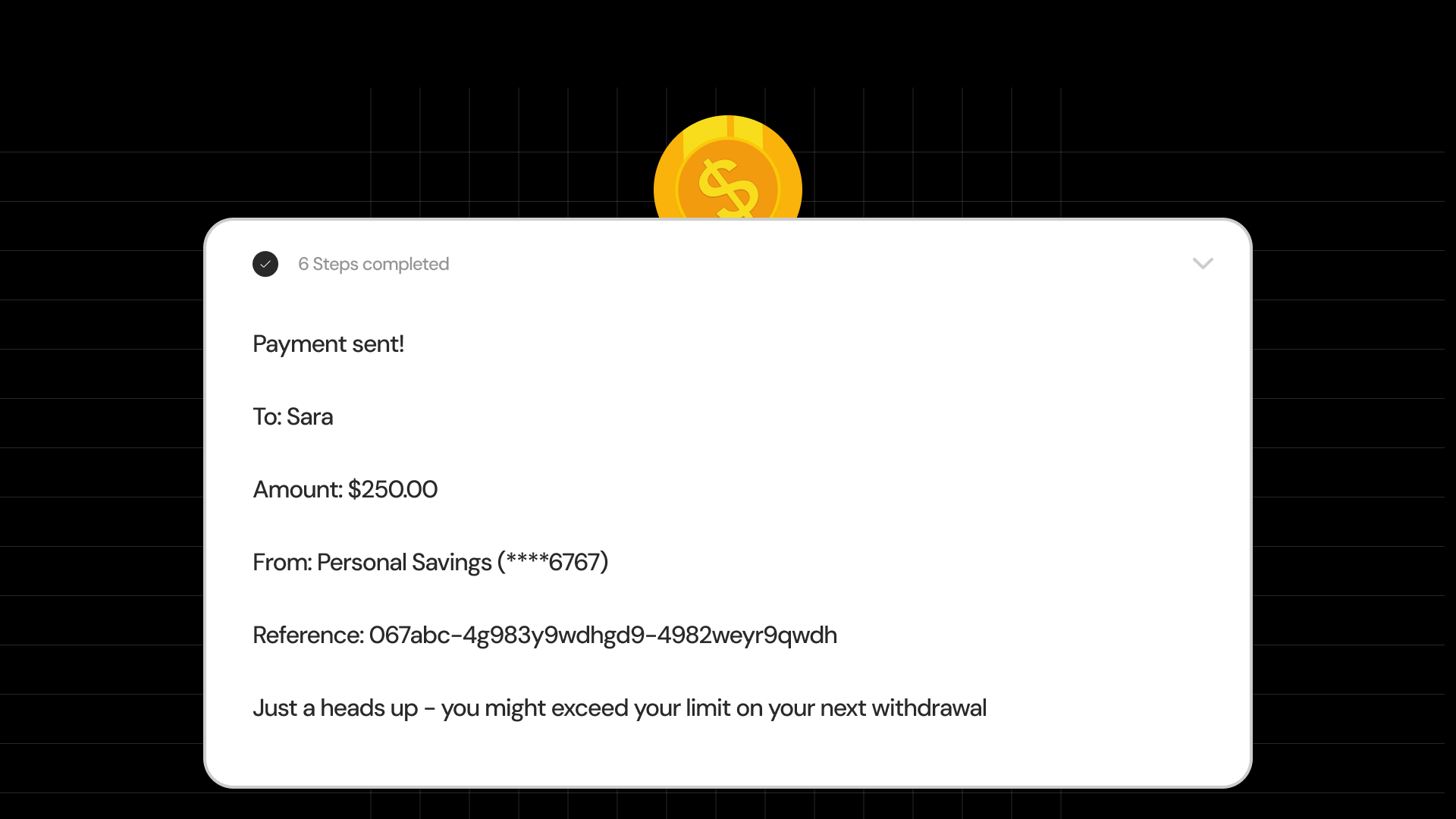
1 / 8
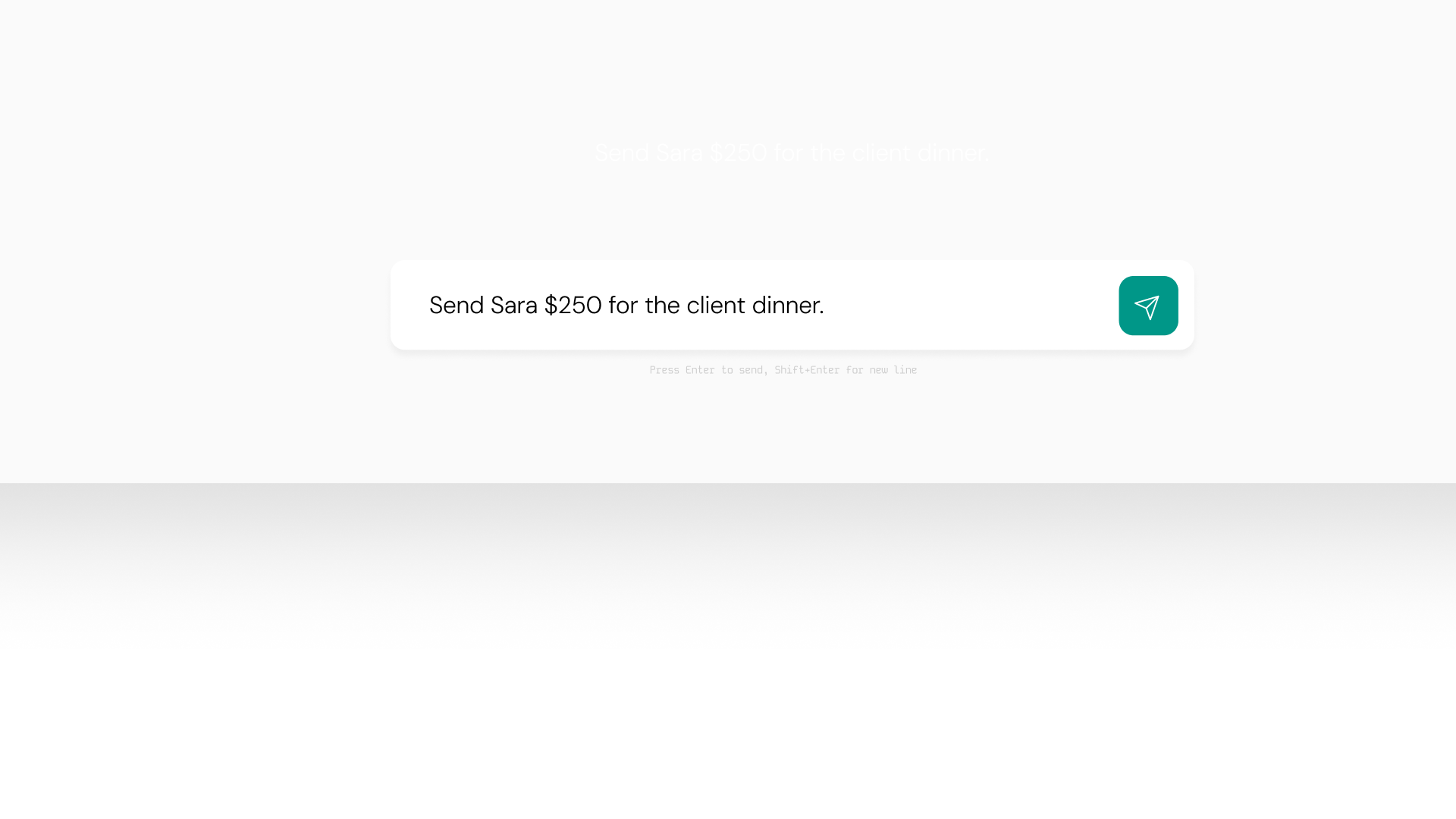
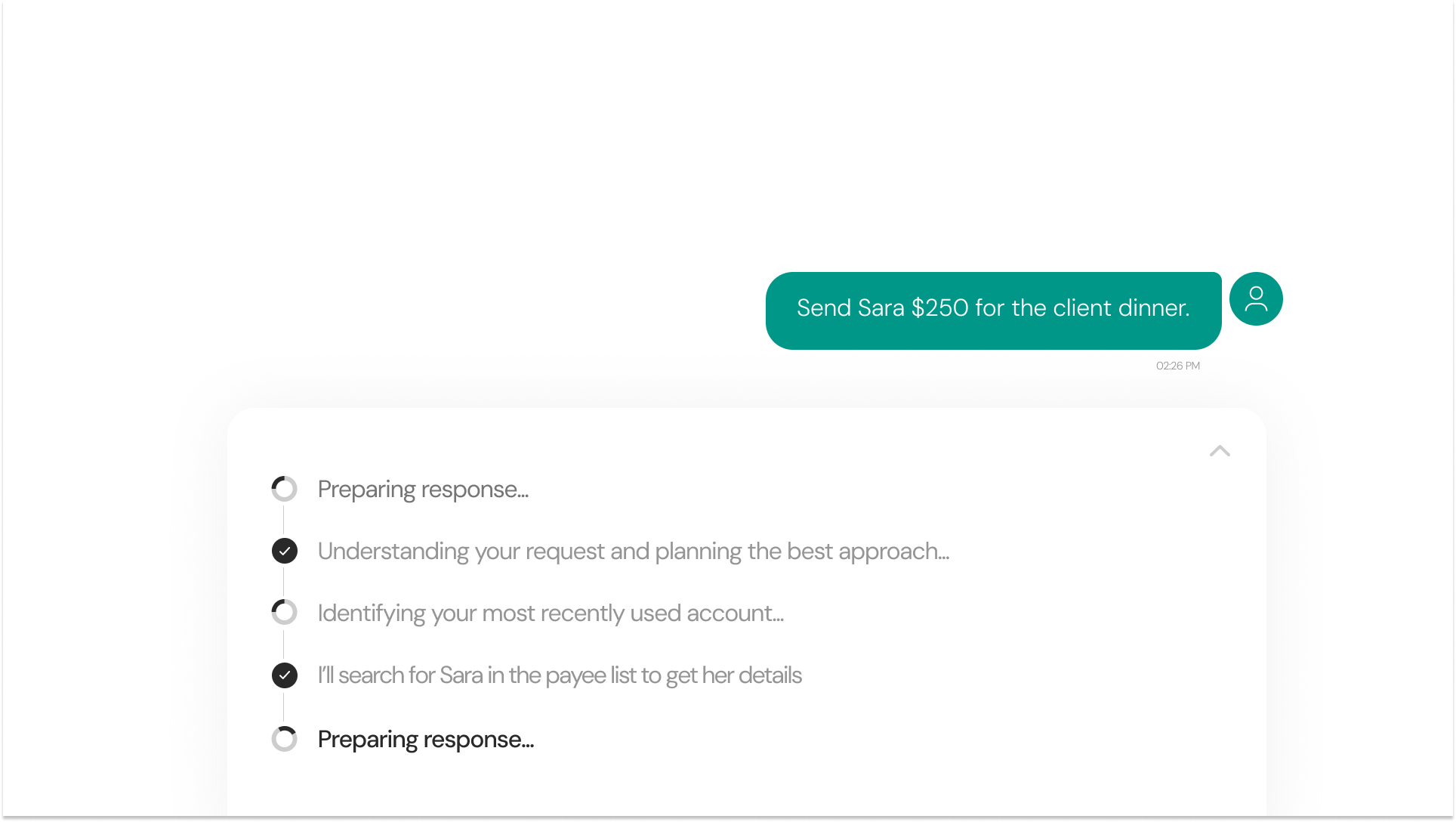
An AI agent completing a payment is easy to demonstrate.
A user makes a request.
The agent finds the relevant product, invoice, or merchant.
The payment completes.
The result is immediate and understandable.
But the completed payment is not the most important part of an agentic payment system.
The more consequential system sits between the user’s instruction and the movement of money.
It determines what the agent was asked to do, whether it has the authority to do it, which boundaries apply, what happens when a condition fails, and how the decision can be reconstructed afterward.
The payment is visible.
The chain of authority behind it is not.
Payment systems were designed around direct human action
Traditional online payments generally assume that a person is present at the point of purchase.
- The buyer selects the product.
- The buyer reviews the price.
- The buyer enters or approves the payment method.
- The buyer confirms the transaction.
The payment infrastructure can treat those actions as evidence of intent.
Agentic payments change that assumption.
An AI agent may search, compare, decide, and transact on someone’s behalf. It might make the purchase immediately, or it might act later when a predefined condition is satisfied.
The user is no longer necessarily present when the final payment occurs.
That creates a different kind of transaction.
The system must carry the user’s intention and authority forward, even when the user is no longer actively clicking through the checkout.
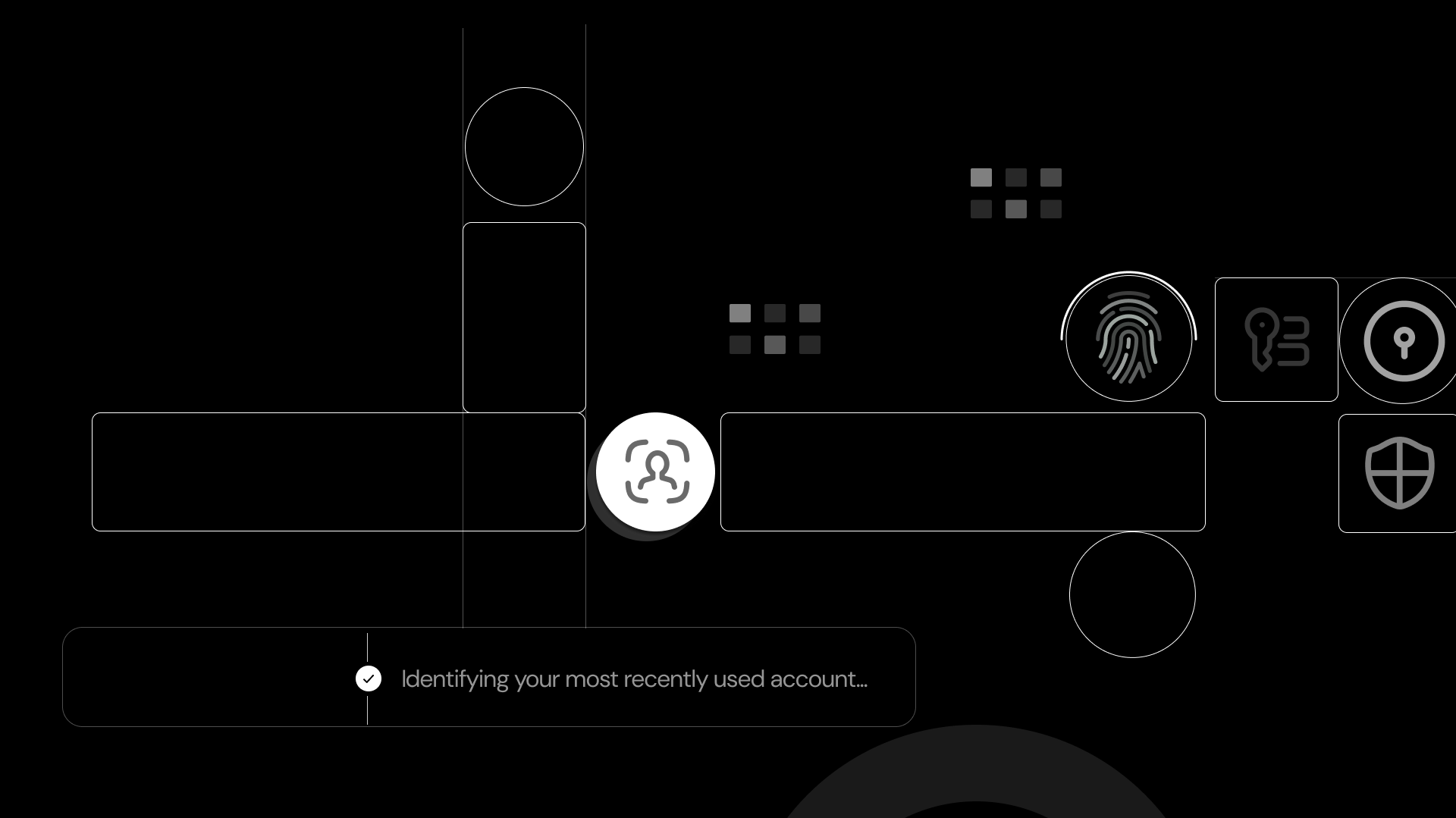
Current agentic-payment frameworks are therefore being designed around authorization, authenticity, accountability, verifiable instructions, scoped payment methods, and auditable transaction records.
This is the deeper category shift.
The agent is not simply making checkout faster.
It is becoming an active participant in the payment process.
The familiar mental model is incomplete
Agentic payments can initially look like a combination of familiar products:
- a shopping assistant
- payment automation
- a virtual card
- an expense-management tool
- a chatbot connected to checkout
These comparisons are reasonable.
Each describes part of the experience.
But they focus attention on what the agent does rather than on what makes its action valid.
That can make the category appear to be ordinary payment infrastructure with an AI interface attached.
The more important question is not:
Can an AI agent complete the payment?
It is:
How does every participant know that this agent was allowed to complete this specific payment under these specific conditions?
That question changes what buyers need to evaluate.
A delegated payment needs a chain of authority
Consider a business instruction:
“Pay this vendor invoice if it matches the purchase order and the total is below $5,000.”
The final payment is only one part of the task.
Before money moves, the system may need to establish:
- Intent
- What exactly did the user ask the agent to accomplish?
- Authority
- Who issued the instruction, and were they permitted to delegate this payment?
- Scope
- Which vendor, amount, payment method, and time period are allowed?
- Verification
- Does the invoice match the purchase order and approved supplier record?
- Policy
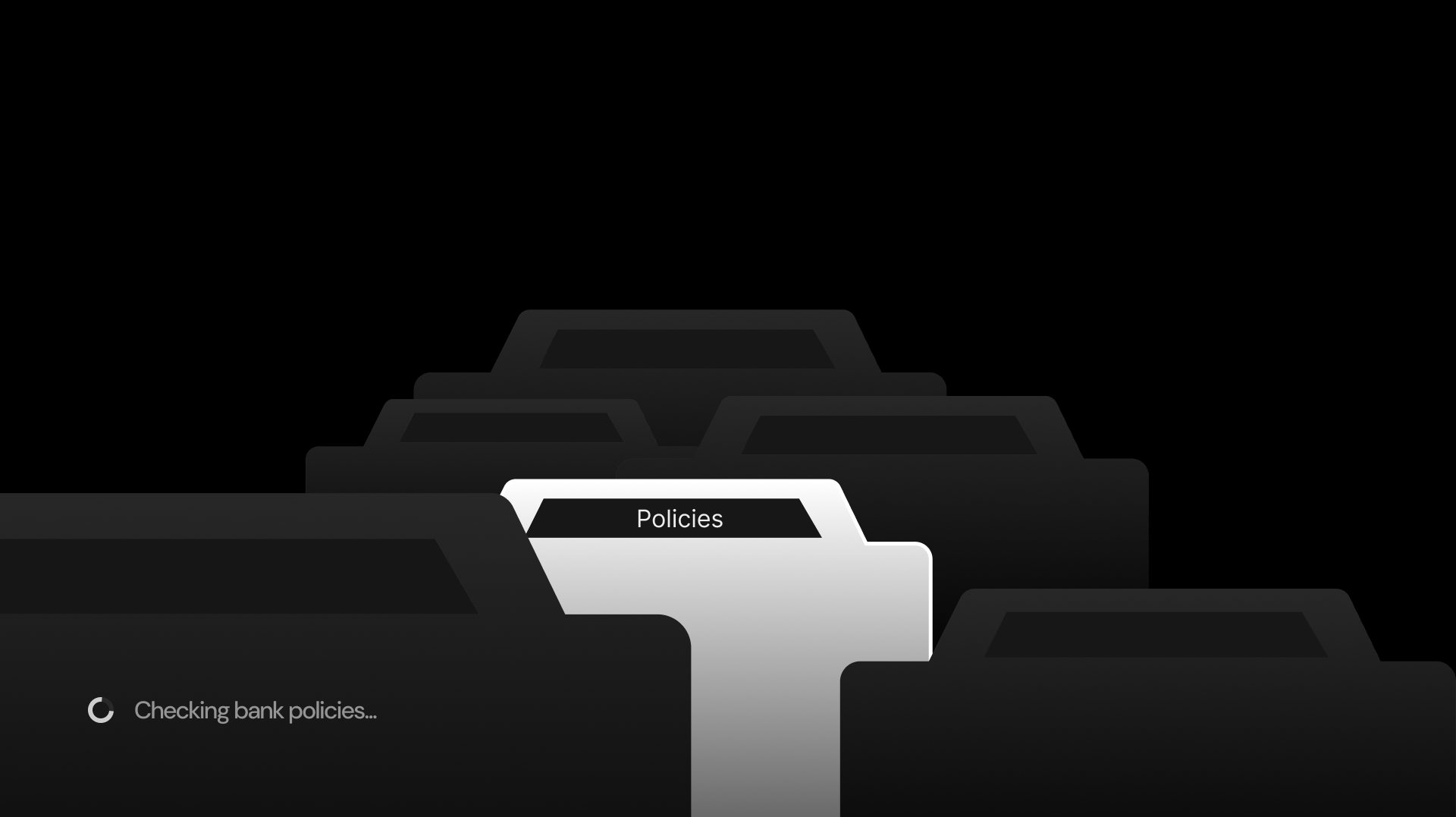
- Does the transaction comply with company, financial, and risk rules?
- Decision
- Can the agent proceed, or must the payment be clarified, escalated, or blocked?
- Execution
- How is the approved payment completed without unnecessarily exposing financial credentials?
- Audit
- Can the organization reconstruct the instruction, checks, decision, and transaction later?
Emerging payment protocols are addressing this with mechanisms such as cryptographically signed instructions, verifiable credentials, purpose-specific agent signatures, scoped payment tokens, amount and time restrictions, revocation controls, and complete transaction histories.
These mechanisms are not secondary details around the payment.
They are what make delegated payment possible.
The category becomes smaller when only execution is shown
A successful payment makes a satisfying demonstration.
The instruction appears.
The agent acts.
The transaction receives a check mark.
But that sequence compresses nearly all of the product’s institutional value into the space between the request and the confirmation.
The buyer sees speed.
They may not see:
- how the user’s authority was preserved
- how the agent’s identity was established
- how the payment remained inside its permitted scope
- how the underlying invoice was verified
- which policies were applied
- where a human would re-enter the process
- how the system would stop an invalid action
- which evidence remains after completion
When these layers remain invisible, governed infrastructure can resemble simple automation.
The category’s visual challenge is therefore not only to demonstrate that the agent can act.
It is to demonstrate that the action is bounded.
Trust appears most clearly at the decision point
The control system is easiest to understand when something does not pass automatically.
Imagine that the invoice matches the purchase order, but the total is $5,400.
The agent has enough information to prepare the payment.
It does not have enough authority to execute it.
The system pauses.
The failed condition becomes visible.
The transaction moves to human approval.
This moment communicates more about the product than another successful payment.
It shows that the system can distinguish between:
- possible and permitted
- understood and authorized
- automated and approved
- successful execution and responsible execution
Control is not merely what enables the agent to act.
Control is also what prevents it from acting when the instruction, evidence, or policy is incomplete.
The invisible system can become a visible sequence
A useful visual model would follow one instruction from request to transaction:
Intent → Mandate → Verification → Policy → Decision → Execution → Audit
The instruction begins as natural language:
“Pay this vendor invoice if it matches the purchase order and stays below $5,000.”
It is then converted into a structured mandate:
- approved vendor
- maximum amount
- permitted payment method
- expiry time
- required evidence
- escalation condition
The system checks the invoice against the purchase order.
It applies the organization’s payment policies.
A decision point appears:
- Proceed
- Request clarification
- Send for approval
- Block
Only the approved path receives a payment credential and reaches execution.
After the payment completes, the entire sequence remains visible as an audit record.
The user sees a simple outcome.
The buyer sees the governed system producing it.
Agentic payments need to show more than autonomy
The natural way to promote an AI agent is to emphasize how independently it can operate.
In payments, independence is not enough.
Buyers also need to understand:
- whose authority the agent carries
- where that authority begins and ends
- what conditions govern its actions
- what evidence it evaluates
- when a person regains control
- how accountability survives after the transaction
The most convincing agentic-payment story may not be the agent completing a payment without human involvement.
It may be the system proving why human involvement was unnecessary—and recognizing exactly when it becomes necessary again.
The payment proves that the agent can act.
The visible chain of authority proves that it can be trusted to.
About this series
This article is part of Tanosei’s ongoing study of how complex technology categories become understandable.
We examine the workflows, decisions, controls, and infrastructure buyers are usually expected to imagine, then explore how those hidden systems can be made visible.
Some products are easy to demonstrate.
The system behind them is harder to see.
Tanosei helps technology companies turn complex products into visual explanation systems for websites, launches, sales, and product education.
Building an agentic payment product where the completed transaction is easy to demonstrate, but authority, controls, and accountability are harder to make visible?
Show us the product